“Introduction to coffee knowledge” search results (4000)
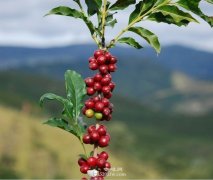
Introduction to Coffee Tree knowledge Coffee
There are about 60 kinds of coffee, but there are mainly two varieties of coffee grown commercially. "Arabica" 2. "Robasta" if divided according to the planting area of these two kinds of coffee, Arabica accounts for 70% of the world's acreage, and Robasta accounts for 30%. This shows how important Arabica coffee beans are in the world! So
2014-09-15 Coffee knowledge coffee tree coffee tree species
Introduction to the origin of coffee knowledge coffee
Coffee belt (coffee belt) coffee is mainly grown in tropical and subtropical regions, and coffee is mainly produced in more than 70 countries in the world. Most of them are distributed between 25 degrees of the Tropic of Cancer. According to the statistics of the Food and Agriculture Organization of the United Nations in 1976, coffee is grown in 76 countries and regions in the world, with an area of 118.845 million mu, of which Latin America is 64.86 million mu, accounting for the world's acreage.
2014-09-18 Coffee knowledge coffee origin coffee belt
Coffee basic knowledge boutique coffee beans several kinds of defective beans introduction
Moldy beans: because the drying is not complete, or in the transportation, storage process damp, and grow cyan, white mold, sometimes make beans stick together, if not remove these moldy beans, will produce mold odor. Dead beans: beans that bear abnormal fruit. The color is not easily changed by baking, so it is easy to distinguish. Flavor thin, with silver skin
2014-11-21 Coffee knowledge coffee knowledge defective beans
Introduction to the Popularization of the knowledge of Coffee Baking and blending
The knowledge of roasting and blending of coffee is widespread, and people need to combine coffee from different places for several different purposes. The ideal goal, of course, is to piece together a coffee that tastes better than any of them. But generally speaking, Arabica coffee from a single origin is enough to make coffee that tastes good for export; it has a delicate flavor, a soft taste and a sweet aftertaste. So
2016-06-21 Coffee roasting blending knowledge popularization introduction coffee
Introduction to Coffee basic knowledge Espresso drinking method
Some people say that a cup of Espresso should be drunk in three mouthfuls. in fact, three mouthfuls is just a general term, usually refers to three layers of taste, there is no need to burn out a mouth bubble must drink three mouthfuls. The first sip is the taste of Crema and pure coffee, which is very mellow and exciting; the second sip is slightly sweet coffee, which is soft and palatable; the third sip is with the small coffee powder left at the bottom of the cup, with strong coffee
2014-10-23 Coffee knowledge coffee basics Espresso drinking method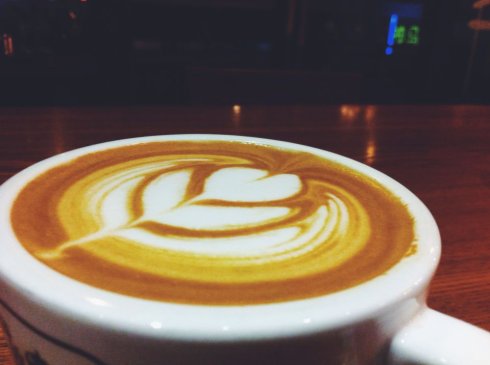
Italian coffee knowledge points introduction; frothing whole milk ingredients and can be frothed solution
Milk is made up of protein, fat and sugar. Protein is a foaming agent. When air is pumped into milk, protein forms a thin film around the air, enveloping the air to form bubbles. Fat inhibits and disrupts the foaming process, although whole milk produces softer foam than skimmed milk, compared to unfortified milk.
2015-12-22 Italian coffee knowledge essentials introduction whipping used whole fat ingredients
Introduction to the basic knowledge of Coffee in Greece
There are three kinds of coffee in Greece: espresso is an espresso, cappuccino is hot coffee with milk, and fredo is iced coffee with milk. At present, Greek coffee is not common in China, and its taste can be divided into three flavors: Skaito, Metrio and Gligi. Its cooking method is mainly based on a stainless steel pot called Briki
2015-05-13 Greece coffee knowledge introduction basics common sense divided into three kinds.
Espersso requirements for basic knowledge of introduction to Coffee
Crema persistence: for a long time, there are no cracks. The thickness of Crema: generally 3-5 mm, the thicker the better. Taste: balanced, sweet, sour and bitter. Palate: balanced, full-bodied and smooth. Carrying cup: the requirement of WBC is 50-80ml cup, and the requirement of CCAB is 50-90ml cup. Temperature: warm cup and plate temperature 45 degrees, cup temperature 80 degrees, evaluation temperature 65
2014-10-31 Coffee knowledge coffee basics Espresso
Introduction to Coffee knowledge in Honduras
Honduran coffee has a rich and mellow taste, taste is not astringent, not sour, mellow and aroma are very high, quite personality. Honduran coffee can lead to multiple levels of flavor depending on the degree of roasting. Moderate baking can maximize the sweetness of beans, while deep baking increases bitterness, but sweetness does not disappear. Generally speaking, medium baking tastes best
2016-06-07 Honduras coffee knowledge introduction with rich thick
Introduction to boutique coffee basic knowledge of Brazilian coffee
Brazilian coffee generally refers to coffee produced in Brazil. There is a wide variety of Brazilian coffee, the vast majority of which are unwashed and sun-dried, classified according to the name of the state of origin and the port of transport. Brazil has 21 states and 17 states produce coffee, but four of them produce the largest, accounting for 98% of the country's total output. Brazilian coffee has a low sour taste, which goes well with coffee.
2014-11-17 Coffee knowledge coffee knowledge Brazilian coffee knowledge
Introduction to Coffee Elementary Coffee knowledge Coffee must know
All 10 flavors are loved; must know Coffee knowledge Coffee on the market is mainly divided into two original varieties: Coffee Arabica and Coffee Robusta. 1. Black coffee (Black Coffee) ── directly uses coffee beans to make coffee, without adding milk, it will affect the way the coffee is drunk. two。 White coffee (White Coffee) ── adds milk to the coffee
2015-03-02 Coffee entry beginner common sense must understand knowledge 10 kinds taste all
Coffee knowledge introduction to Brazilian coffee
Today, Brazil is the world's largest coffee producer. About 25% of the world's coffee comes from Brazil, which affects the development of the world coffee industry. Brazilian coffee is mainly grown in Parana, Santos Jing, Sao Paulo, Minas Gerais and Bahia. Most of the farms in these areas are less than ten hectares. According to the 2000 record, 71% of the farms in Minas Gerais are less than
2014-09-23 Coffee knowledge Brazilian Coffee Coffee Encyclopedia
An introduction to the types and characteristics of knowledge that you must know when drinking coffee
4. Latte (Caffee Latte) vs cappuccino (Cappuccino) latte and cappuccino belong to milk coffee, the main difference lies in the ratio of espresso, milk and milk foam. For cappuccino, the amount of espresso, hot milk and foam should be the same (1:1:1), while hot latte milk is more (1:2:1). Latte taste
2016-05-31 Coffee must understand knowledge types characteristics introduction latte coffee Caf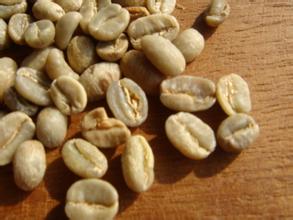
The latest introduction of coffee beans A brief introduction to the basic knowledge of Coffee beans
Raw coffee beans are the seeds of coffee trees. It is the wealth hidden in coffee cherries (coffee berries) that people usually call coffee cherries. They are mistakenly called beans because they are similar to the beans we usually see, but they are actually the seeds of coffee. Usually there are two flat oval coffee beans in the coffee berries, and there is only one in a few coffee berries.
2015-12-28 Coffee raw beans boutique coffee beans latest introduction basics common sense profile coffee
What is caffeine? The basic knowledge of introduction to Coffee
What is caffeine? Caffeine is a substance found in the leaves, roots and fruits of 100 plants in nature. it is also a mixture of methylxanthine. Caffeine usually comes from coffee, dimethoate and tea. Caffeine is also used in energy drinks and drugs to treat colds and flu. Coffee and tea also contain other dimethylxanthine theophylline. Tea
2015-09-23 What caffeine coffee introduction basics common sense what is since
General knowledge of fine coffee introduction to Colombian premium coffee beans
Colombian coffee is grown in the Andes between 4200 and 6000 feet above sea level. With large light green beans and a beautiful oval shape, Excelso is Colombia's top coffee and has a more round taste than Supremoe. It is roasted in medium and deep depth to bring a caramel-like aroma with a mild taste. It also has the sweet aroma of caramel, medium consistency and round taste.
2014-12-19 Boutique Coffee Common sense Columbia Super Coffee beans introduction
Basic knowledge of boutique coffee beans introduction to Mantenin coffee beans
Mandheling coffee is produced on the Indonesian island of Sumatra. Due to the natural pollution-free land and special varieties, Manning coffee is full of round and rich texture, paired with milk is more worthy of the best in the world. With a rich texture, thick taste, good consistency, round taste like syrup and low sour taste, it has always been one of the most popular individual coffees in Asia. After deep training
2015-05-14 Boutique Coffee beans Basics Common sense Mante introduction Mandheli
Introduction to basic knowledge of coffee beans Super Hawaiian Kona coffee beans
Super Hawaiian Coffee beans ◆ Origin: Hawaii Island Hawaii ◆ baking method: Full City Roast ◆ characteristics: 1. Palate: mellow, sweet and smooth, moderate acidity. two。 Bouquet: attractive and nutty. 3. Vision: large beans with blue translucency. The only coffee grower in the United States. Grows in volcanic soil and occurs mostly in the Hawaiian Islands.
2015-05-06 Coffee beans basics common sense introduction super Hawaii Kona
Introduction to the basic knowledge of White Coffee
White coffee does not mean that the color of coffee is white, but refers to the adoption of high-quality and precious coffee beans, removing a large amount of caffeine after low-temperature (moderate to mild) roasting and special processing, removing the bitter and sour taste produced by high-temperature carbon roasting, minimizing the bitterness and caffeine content of coffee, without adding any additives to enhance the flavor, glycol aroma does not hurt the intestines and stomach, and keep the original coffee.
2015-04-24 White coffee coffee boutique basics common sense types introduction white coffee and
Introduction to basic knowledge of boutique coffee Arabica beans
East Timor Arabica beans are mellow and fruity, with a certain irritation in the mouth, miscellaneous taste in the mouth and dry fragrance after grinding.
2014-12-08 Boutique coffee basics common sense introduction rabbi Kadou Dongdi